


When I became a new nurse in the Burn Unit in a major metropolitan hospital, I never anticipated the twists and turns my career would take.
I spent those first years, immersed every day in noticing subtle changes in people, managing pain, encouraging patients to rest, helping families through some of their most difficult times and knowing when someone needs extra support.
As I transitioned into the ICU level of care, those skills became even more important.
The Burn Unit was a special place where staff were family and patients were with us for extended time, sometimes months.
My very first ICU patient was with me for 9 months! I got to know her family well and was able to help them through one of the most challenging things they had ever experienced.
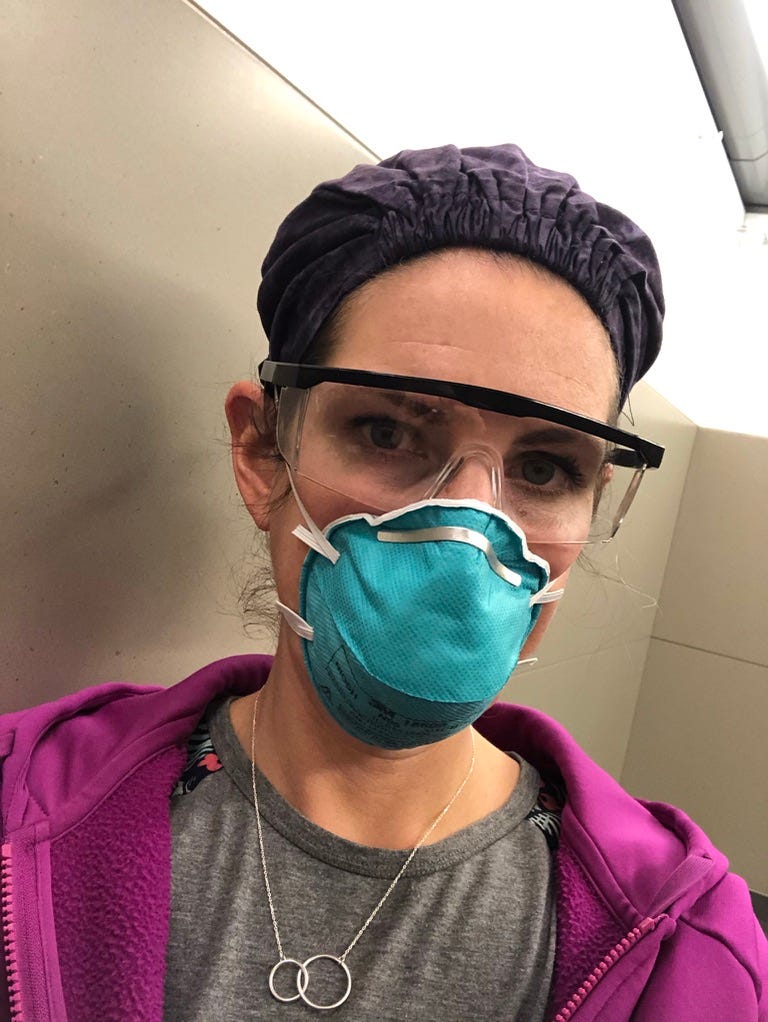
Unfortunately, while nurses are excellent at anticipating the needs of others and taking such thoughtful care of people, they often push through their own exhaustion to the detriment of their physical and mental health.
Years of stress, shift work and putting myself last eventually caught up with me.
After a year of working nearly constant overtime in that same busy metropolitan hospital, my health took a turn. My health finally forced me to pay attention and suddenly I was dealing with diagnoses and medications I hadn’t expected.
It didn’t take long for me to realize that being capable of functioning depleted doesn’t equal being well.
And in medicine, it can sometimes be seen as a badge of honor, honestly. How much you can take before you need time off, how much sleep you can lose before you’re tired and how much coffee you can consume without eating (since consistent breaks aren’t the norm).
Truthfully it took a pandemic to shake me loose from most of these habits, but not completely.
Then midlife came in hot.
It forced my hand into listening to my body, instead of expecting it would continue to accommodate my bad choices.
You can function while depleted, but that doesn’t mean you’re okay.
Nurses are incredible at functioning in less-than-ideal circumstances. We work tired. We work hungry. We work sore. We work stressed and emotionally drained.
But functioning isn’t the same as thriving.
It’s easy to normalize exhaustion for many reasons. Things like becoming a new parent or working long shifts, for instance. It’s also easy to just keep going and get it all done.
But the truth is, that isn’t serving your long-term health. It is just asking your body to compensate for your bad habits.
Midlife changes finally got me thinking like a nurse toward myself and giving myself grace. Grace to say no when something didn’t align with my goals for myself. Grace to have a bad day and not give up on the goal.
Eventually, I came to understand – Your ability to push through something doesn’t make pushing though the right choice.
Rest is part of the plan, not something you earn.
You know what happens when I wait to rest until my to do list is done? I never rest. I collapse at the end of the night exhausted, often repeatedly.
I hear myself telling patients they must rest to heal. It took me a while to take my own advice though.
These days, I take rest more seriously.
I’ll cancel a hike if I don’t feel well or did too much this week.
I’ll hit the bed at 8:30 pm if I’m just tired – even though my husband hates it 😉
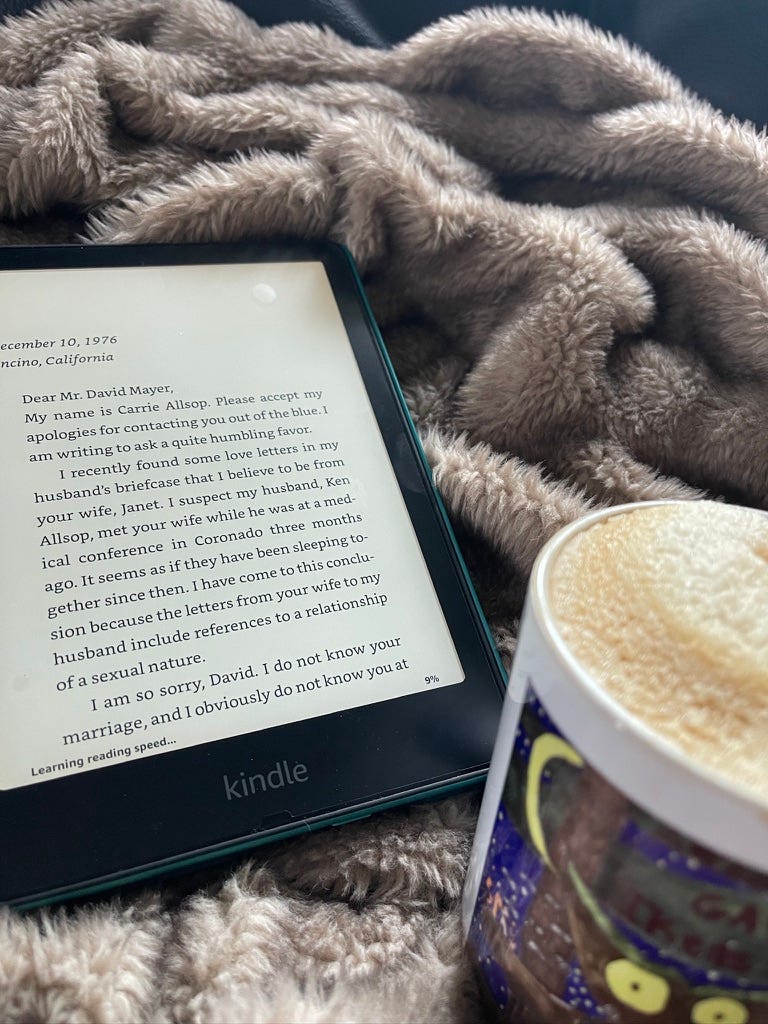
I’ll spend half a morning lying on the couch with a cat, a book and a coffee after a long stretch of shifts, if it feels right.
Turns out, rest lets me do more of the things I care about anyway.
The basics matter more than the perfect wellness routine.
I’ve seen enough health information over the last 23 years, including becoming a wellness coach myself for a while, to understand there isn’t one solution to every problem. It’s often a combination of basic habits that add up to major improvements.
Those things you might call boring add up quickly:
Eating healthy foods most of the time
Getting enough protein
Drinking enough water every day (even I struggle with this one)
Quality sleep
Moving your body daily
Managing your stress
Spending time outside
Doing the things you genuinely enjoy
I get it. Habits are hard sometimes. Life gets in our way. But if I can just be consistent MOST of the time, my health is better for it.
The biggest takeaway is: your health is often built through ordinary choices on repeat than through dramatic overhauls.
Strength and mobility are investments in your future self.
Just today, I had a patient with a broken hip. He is a very active 80-year-old man, so I know he has something working strongly in his favor: decades of activity and muscle.
That muscle is going to be the thing that helps him work through the post-operative exercises. The protective nature of muscle building is never clearer than in a situation like this.
I have seen this repeatedly – someone who barely moves before an injury, certainly doesn’t get stronger afterwards. But when you start with that strength and discipline, you heal quicker and get back to the life you love.
I now focus my strength training specifically on helping me do things I want to do. Everything from tying my shoes (IYKYK) to hiking up 2500ft of elevation for a snack with a view.
I want to be able to do all the things when I’m 80-years-old too.
I no longer care what my body looks like, to some degree, but what she can do.
I don’t exercise because I’m trying to become someone else. I exercise to give future me as many options as possible.
You don’t have to wait until something is wrong to pay attention.
In my nursing life, we are intervening after something has already happened.
I’m much more in tune now with my body – I love a good wearable tech to help me notice patterns I might have otherwise missed.
I watch my sleep, stress, strength, menstrual cycles and recovery. I pay attention to my patterns and adjust things as needed to avoid bigger issues down the line.
It can be easy for nurses to dismiss symptoms because we see so many people with serious issues. But here’s the truth: Your health is your most important asset so take it seriously.
Caring for yourself may look ordinary.
Self-care doesn’t always look like what you see on Instagram. I spent many years feeling left behind because I didn’t want to do the things I was seeing other people do. Or it didn’t feel accessible to me.
The fact is self-care looks like this for me now:
Walking daily, sometimes just the trail behind my house
Packing food for long shifts
Sitting outside with a coffee and watching the birds
Taking care of my garden (or letting it be if I don’t have the energy)
Spending a rainy day at home
Going to bed early
Choosing hikes based on how I feel today
Making an ordinary dinner people want to eat
A life that supports your mental and physical health may not look impressive from the outside and that’s okay.
Taking care of yourself can change with the seasons.
And no I don’t mean summer to fall, even though that may be true as well.
Your young adult season is going to be different than your midlife season.
Your parent of young kids season will be different from your parent of teens season.
What worked at 25 doesn’t necessarily work at 48.
Your body has changed.
Your responsibilities have changed.
Your interests might even have changed.
Caring for yourself well means paying attention to who you are now, not who you once were and not who you wish you were.
So these days, I try to care for myself like Nurse Kaci would care for someone else -- pay attention, notice what’s changing and gently nudge myself toward the things that will help.
There is no revolutionary secret to wellness. Most of it comes back to consistently doing the basics:
Listen to my body
Rest
Eat
Move
Strength train
Ask for help
Spend my time doing the things that make my life feel like something worth showing up for
The lesson for me wasn’t in learning the perfect system - although, man, did I try.
It was finally learning to extend some of the same care and attention to myself that I’ve spent more than two decades giving to everyone else.
I think taking care of ourselves was never supposed to be more complicated than that.
If getting outside is one of the ways you take care of yourself too, I put together my Day Hike Packing List with the essentials I actually carry on the trail.
This was a really good post! We all need reminders sometimes. Thanks for sharing. :)
I really liked your point about caring for who we are now, rather than who we once were - or wish we were. There’s so much wisdom in allowing the way we care for ourselves to evolve as our lives and circumstances change. A really thoughtful piece 🧡