


I love gardening.
I do not love high-maintenance gardening.
I grew up with two parents who loved gardening. My dad had a college degree in horticulture and spent most of my life puttering outside or in his greenhouse. They had their favorite plants and you could see them in patches all over our yard.
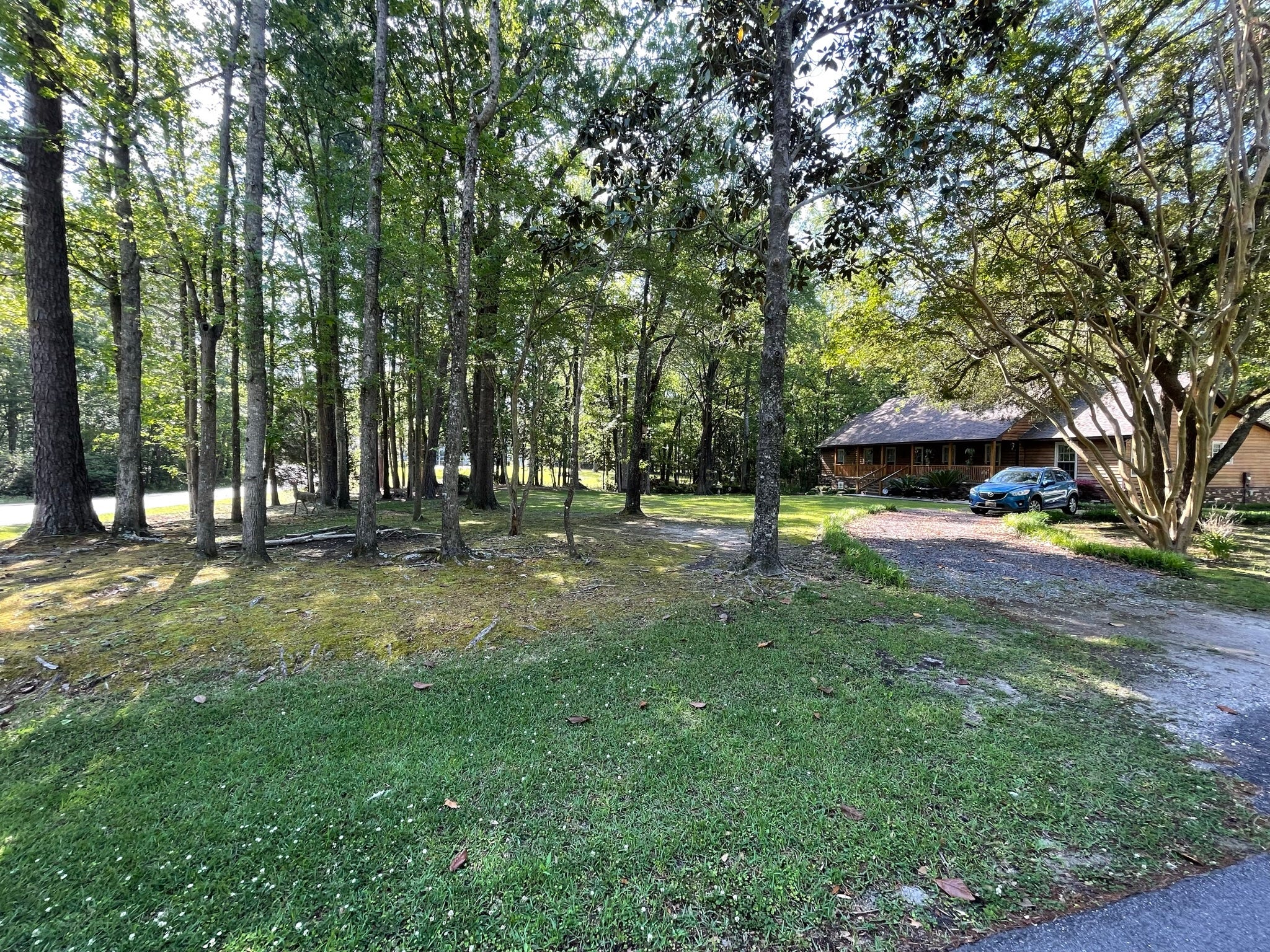
Day lilies, spiderwort, monkey grass and crepe myrtles adorned the driveway and the beds near the front of the house
.My grandparents also had a love of creating a space that was all their own. The one from Germany loved a more formal space with concrete statues and loads of juniper. The one that lived in the mountains had a massive vegetable garden and more of a homestead vibe.
I grew up in the south too, so it was a completely different climate from New England. When I moved north, I had to learn some new things to keep my garden growing. I wanted the garden to feel lush and full, but not take me hours and hours of garden chores to keep it going.
Between work, family life, travelling back and forth to the mountains and trying to have time for hiking/camping, I don’t want plants that need constant attention.
Over the years, I have naturally started repeating some of the plants that can survive my particular brand of gardening – sometimes wildly attentive, sometimes ignored for a week. If something needs me to remember an exact pruning schedule, needs constant feeding or seventeen other rules, we probably aren’t going to have a long relationship.
These are the plants I find I buy again and again (both at home and in the mountains) because they look good, come back reliably and mostly get on with life without me.
Catmint
I stumbled upon this one at the nursery at some point and I’m so glad I did! She has soft purple flowers that bloom for a long stretch of summer. Pollinators love her and spend long lazy afternoons checking out her tiny flowers. She spreads into a large mound over a few years and doesn’t require you to baby her all summer.
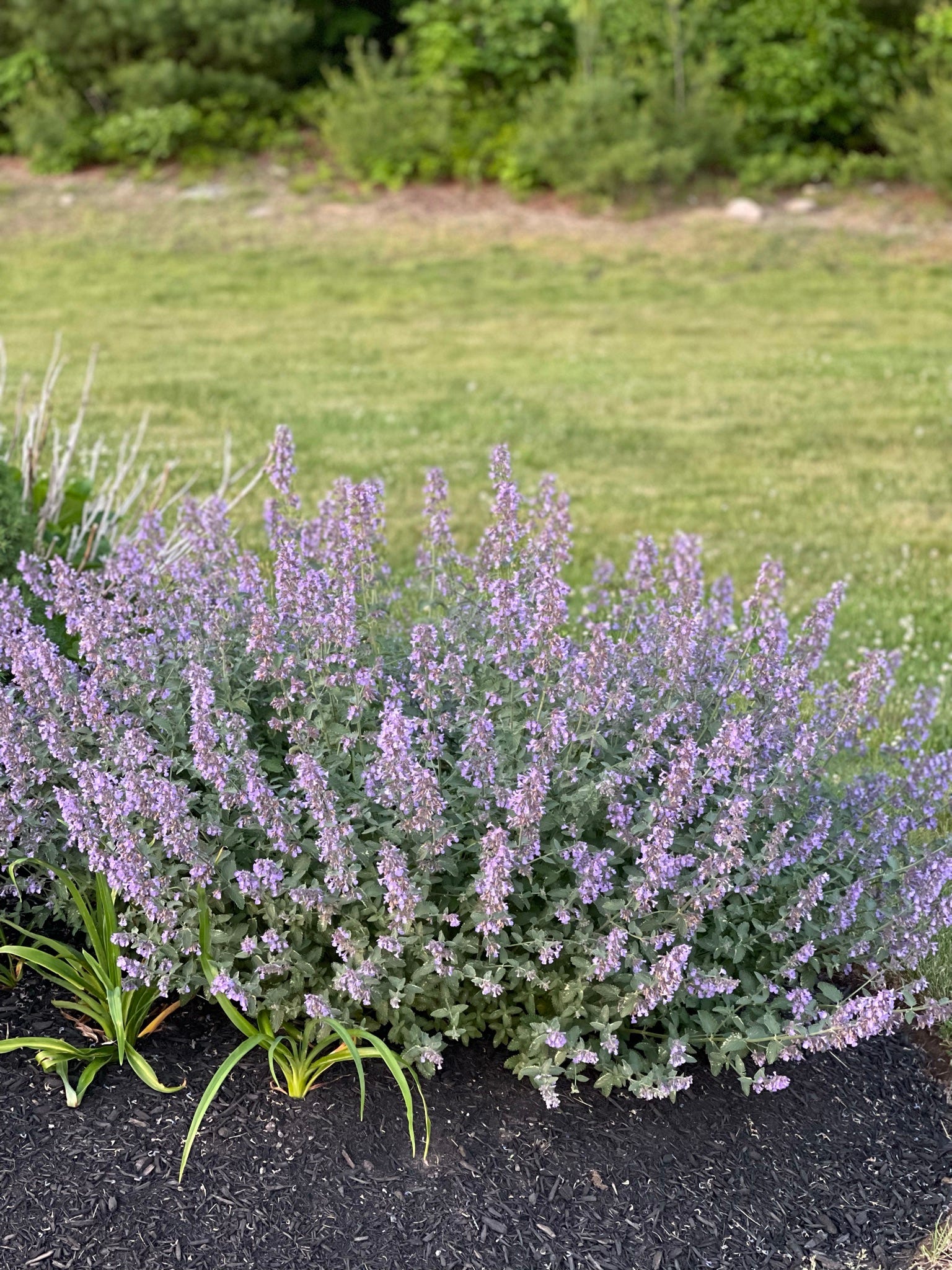
HH take: Use Catmint when you want something to make a bed look fuller without having to think too hard about it. Catmint is one of those things that make it look like I have a much more intentional garden than I do ;)
One downside: She can look a little messy in August, when she is done flowering, but I just let her be. Truthfully, my garden is always a little messy by August!
Hydrangea
This is a staple here in New England and for good reason! She gives gorgeous blooms in late July and August and creates a bit of structure for your beds. There are countless varieties so you can have different shapes of shrubs and flowers depending on your goals. I prune the spent blooms when I feel like it and leave the complicated pruning schedules to someone with more patience.
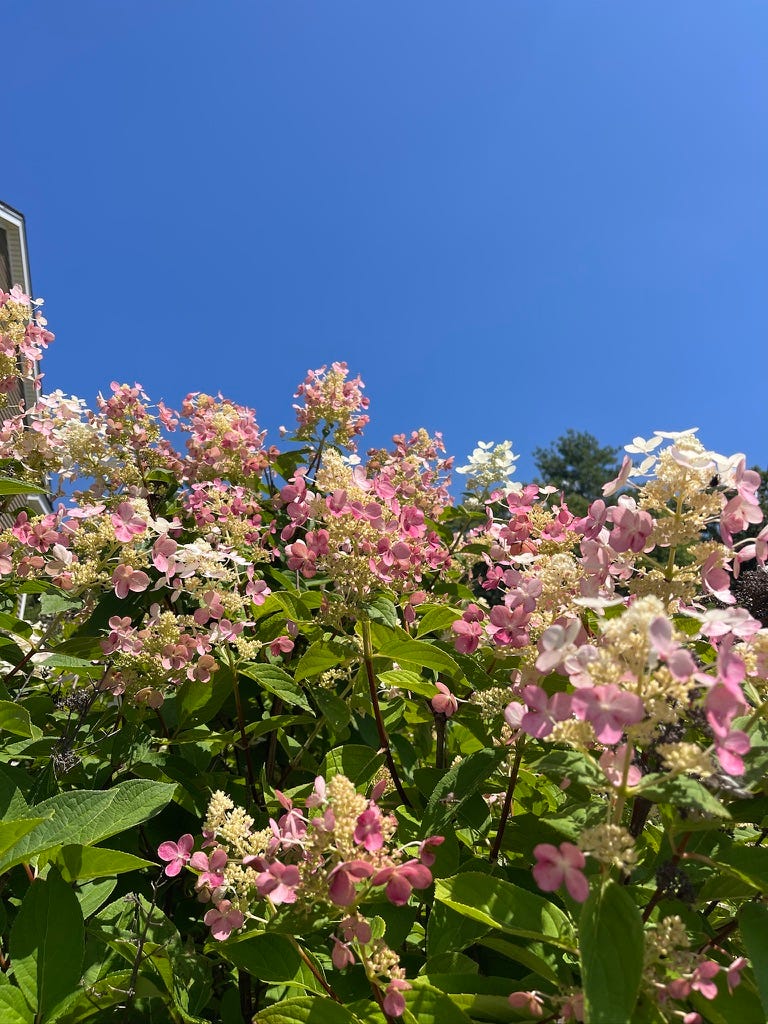
HH take: Hydrangeas might be the plant most responsible for my belief that I can do very little and still occasionally look like I know what I’m doing – she’s a self-sufficient lady.
One Downside: Sometimes you might want one to look a certain shape, and they just don’t cooperate. Best to work with what they do.
Salvia
She is a workhorse in the garden. She gives some upright shape and gorgeous color (everything from white to pink to purple) to any bed. She attracts all the pollinators and my hummingbirds love her. She can take a lot of neglect – I had some I moved multiple times this year and they are still kicking around!
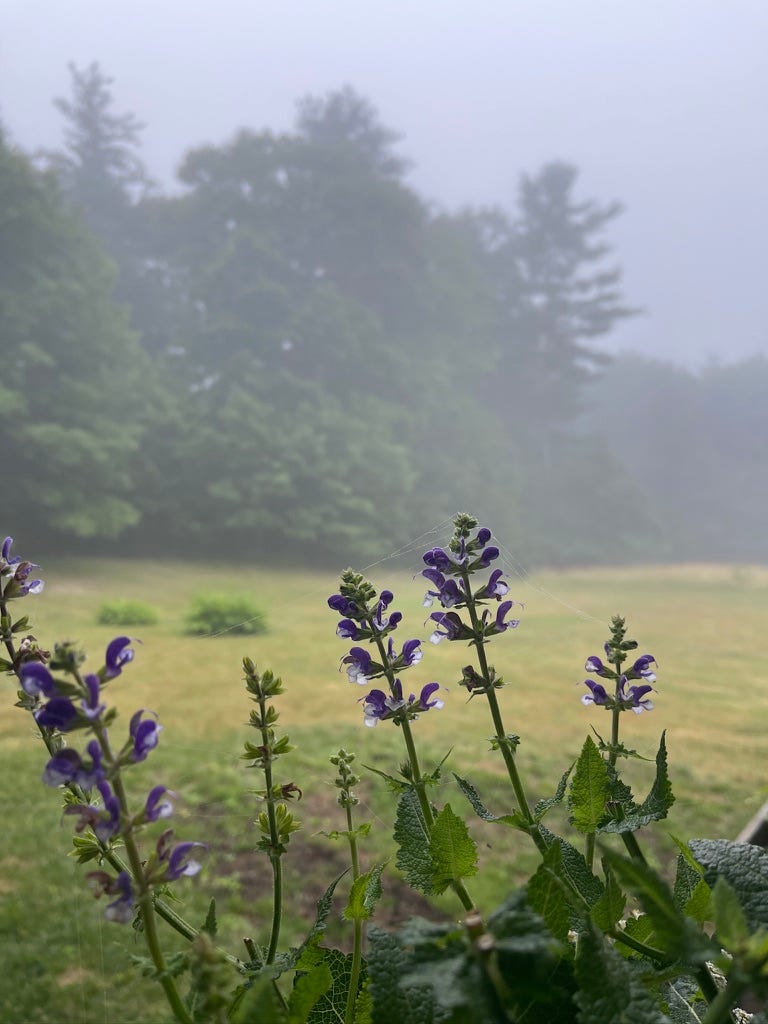
HH take: She creates a little structure next to something floppier, so I often pair her with Hosta or Catmint.
One Downside: None. She’s awesome.
Hosta
Classic New England no-fuss plants. I’ll be honest. I hated them initially, and I still have some feelings, but I’ve learned to love them. I found different varieties that I prefer, and I now see they are another zero-effort plant – more time for me to enjoy my garden and less time on garden chores. She is also a great texture plant when nothing else is flowering. Foliage is an underappreciated part of any garden, in my opinion. Hostas feel like one of those plants that just belong around an old New England house. They come back, fill in, and quietly make everything around them look more established.
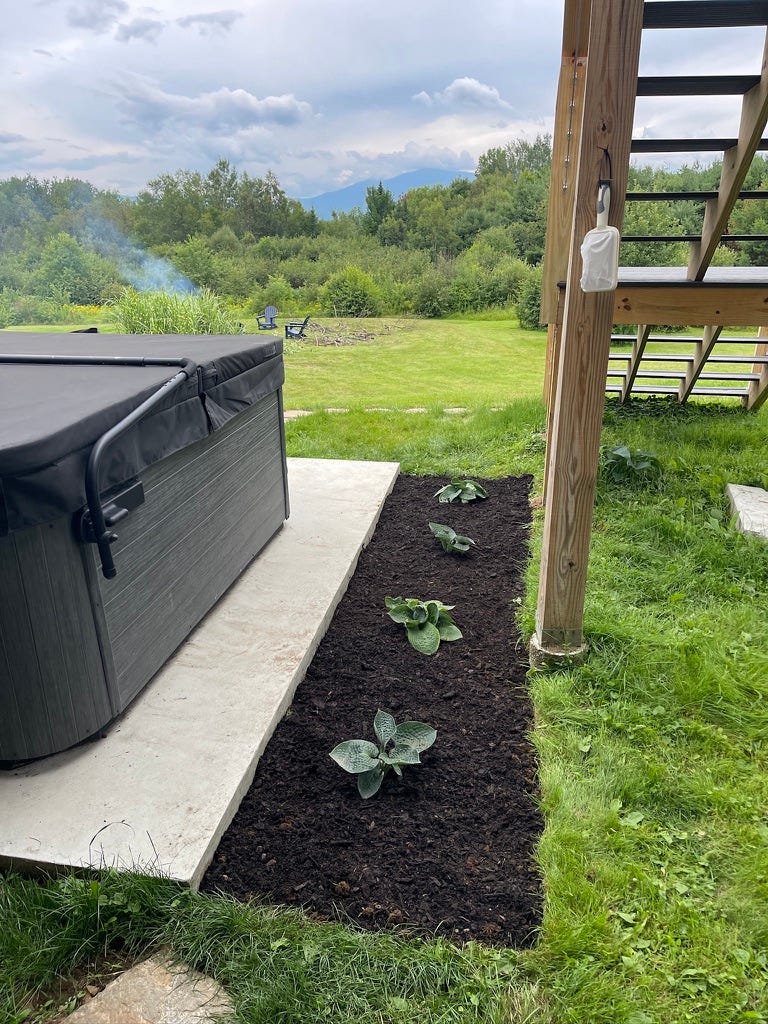
HH take: She is a workhorse of the garden and can be either ignored or divided and shared. She can take on any amount of neglect and produce lush leaves and beautiful flowers the pollinators go nuts for.
One Downside: They are happiest in the shade, but I’ve found them to be surprisingly tolerant. The deer and rabbits LOVE hosta. I have had good luck, but we have casualties every year.
Lilacs
This classic New England shrub is a favorite of mine and I was gifted all of the ones I have from my local garden club. She grows easily from a little stick transplant and will become a mature shrub with almost no attention. The birds love the smaller branches, and I have one right near my bird feeders for them to use getting to the feeder.
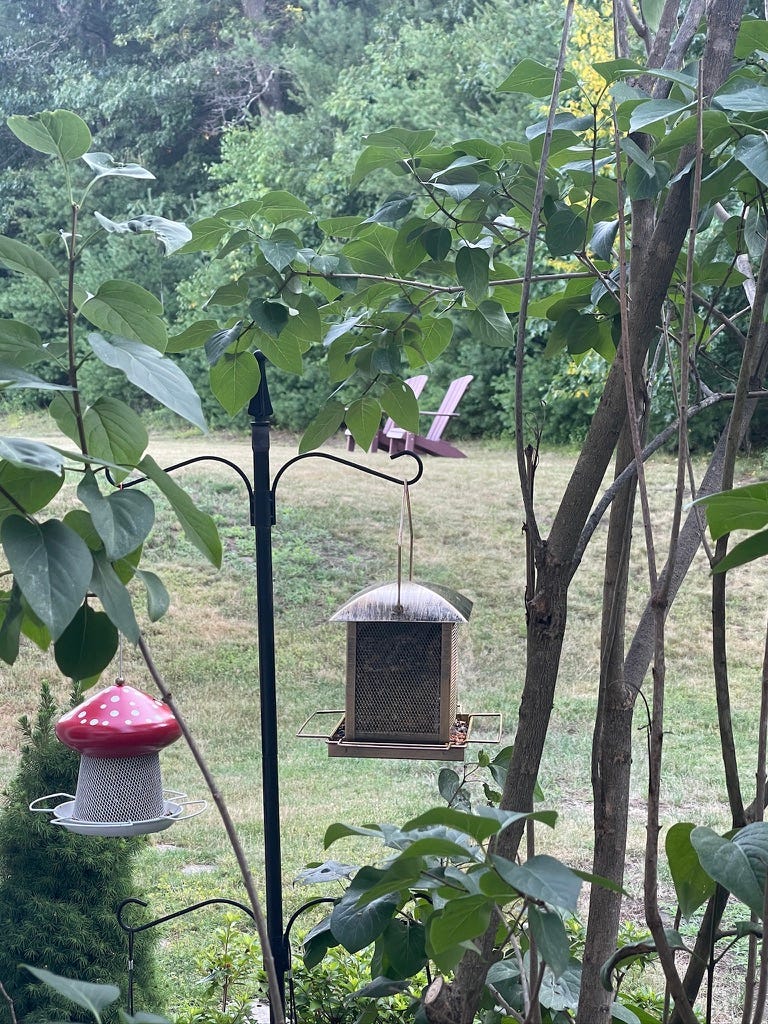
HH take: For the short bloom period you get in Spring, she is worth her weight in gold, for the fragrant flower alone. A couple of weeks every spring, opening the door and smelling them feels like a reward for surviving another New England winter.
One Downside: She spreads by runners you have to keep track of. Not a big deal, but of note if you don’t keep them trimmed, they will fill up a space.
Sedum
My dad was a succulent master and loved creating small plants from cuttings. Sedums are perfect for that. I have her in a sunny rock bed I wanted to cover up, and she has filled in perfectly to cover it! I encouraged her to spread, and she even made a little transplant into my rock wall I’m trying to recreate. She divides easily and can be moved about.


HH Take: She gives some late season interest to the garden with later flowers and requires zero actual work from me.
One Downside: She can look messy by late fall, but I adore her, so we deal with it.
Shasta Daisy
This cheerful lady gives that cottage-garden feel I love, in a reliable and easy way. She fills in big spaces if you need her to, doesn’t require perfect tending and is a recognizable favorite here in New England. My garden isn’t particularly interested in staying in the lines, and neither are the daisies.
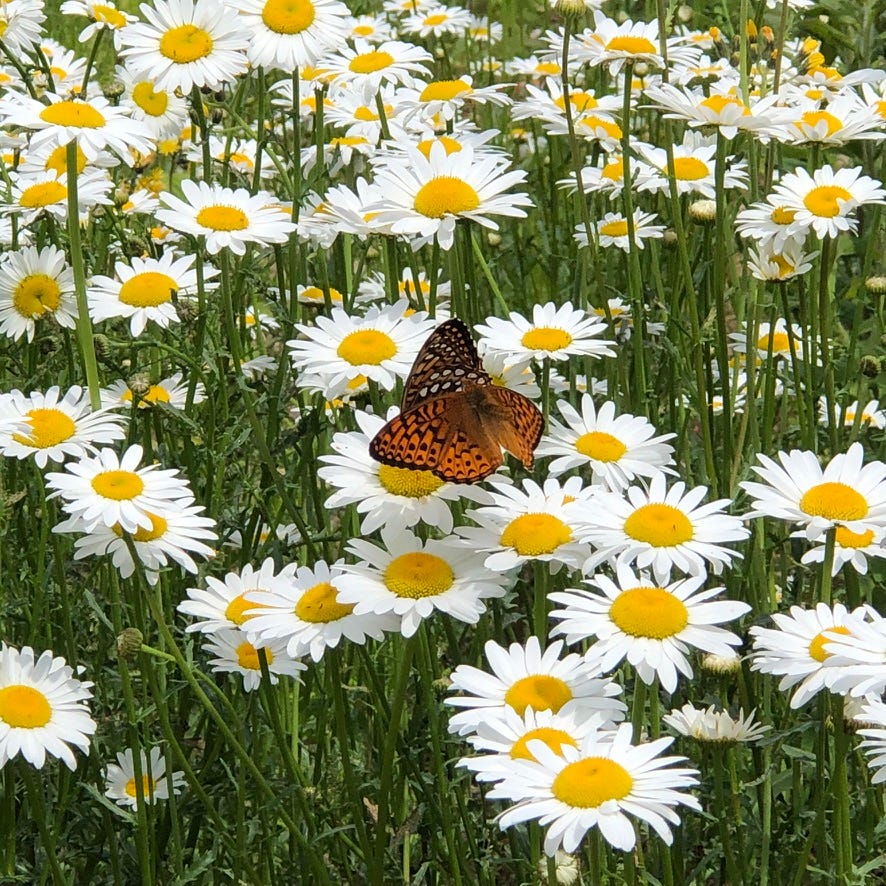
HH Take: She creates a lush carpet of gorgeous white flowers in July and August. Great for cut flower gardens.
One Downside: She spreads runners under the ground, so you have to keep up with those. And once the flowers are spent, you have about 4,732 spent blooms to clip. She’s lucky she’s cute or I might rip her out of the flower bed...
A Few More Plants that Have Earned Their Keep
Russian Sage – I planted my first ones this year, but these are seen all over New England gardens and provide a nice flowy plant texture.
Daylilies – My mom’s favorite! I have some from my childhood home here in New England, but I have a love/hate relationship with these ;)
Coneflower – I planted these for the first time this summer, also popular in New England.
Rose of Sharon – I have heard they can be fussy, but truthfully my plants keep coming up and love their home here. I moved a couple of seedlings to New Hampshire this summer, so TBD on how that goes.
What “Low Maintenance” Means to Me
While I love gardening, I don’t want it to become something I have to do with every bit of my time off. When I say low maintenance, here’s what I mean:
It doesn’t need constant water once established – we have recently been on a water ban, so things need to stand on their own.
I don’t have to divide it constantly and it doesn’t take a college degree to move it.
It survives when I get busy and neglect it for a while.
It doesn’t punish me for being inconsistent – we are sometimes home and sometimes in the mountains, so I need my plants to be ok while I’m away.
Low maintenance doesn’t mean no maintenance! When something is first planted, it will need some TLC. Even my easiest plants need deadheading, cutting back occasionally, dividing and watering during dry stretches.
I used to think a “real” gardener knew all the plants, never killed anything and was constantly trying something new.
These days I don’t mind repeating things I know work in my yard and can handle my hit or miss gardening.
If catmint works? Plant more catmint.
If sedum survives my neglect? Divide her and stick her somewhere else.
If I love hydrangeas? No rule says I can only have one!
I’m slowly learning that the garden doesn’t have to be complicated to be beautiful. Sometimes the best garden plants are the ones that keep showing up.
A Few Garden Things That Make My Life Easier
*Some links below are affiliate links. As an Amazon Associate I earn from qualifying purchases, at no extra cost to you.
Pruning Snips – I like a pair with a straight blade and a comfortable grip to get into tighter spaces.
Garden trug – I use it to carry all sorts of things in and around the garden – weeds, plants, mulch, potting soil and random rocks I need moved across the yard ;)
Knee Pad – Saves my knees when I’m kneeling to weed.
Power pruner – This year I upgraded to this power tool I use for bigger branch trimming and cutting back those huge grasses. Be very careful though!! It will cut more than branches!
What plant has earned its keep in your garden? Tell me your favorite low-maintenance plants - bonus points if it survives being occasionally forgotten ;)
Loved this!
We have the same attitude towards gardening, has to work with my lifestyle.
Great piece!
Love catmint! Mine died this year however - too much sun and too little water ☹️ probably too much neglect as well.
My garden(s) are a mess this time of year, but I like them anyway and so do the bees, butterflies and hummingbirds that frequent them. It’s somewhat of a constant battle to keep up, but I like the work and the satisfaction when it’s done 😉, so I keep at it!
Favorite summer plants - Zinnias or anything Daisy-like really.