


When I started hiking more seriously, I made it harder than it needed to be. No, I never got lost in the woods overnight or met up with a grizzly bear (although there was that one very scary hike). But I did choose trails I wasn’t ready for, forget to bring my water a time or two and wear the wrong footwear for the hike I was on.
While not life-threatening mistakes, they made the hikes less comfortable and more stressful for all involved. Some of these mistakes came from what I thought a hike was “supposed” to look like, and I learned quickly by doing it wrong at least once… sometimes more than once.
So if you’re starting to hike more, here are seven things I wish I had taken seriously sooner.
I chose trails based on mileage alone. When I started, I figured 4 miles is 4 miles, sure there is some elevation, but how hard can it be? Turns out really freaking hard. Figured this one out when a 3-mile trail basically went straight up took us 4 hours.
What I learned: You have to look at total elevation gain AND elevation gain per mile. This will tell you how tough the trail is going to be. Trail conditions and technical parts of a trail affect the difficulty as well, so do your research! I find the framework I come back to for me is: under 500 ft gain/mile is approachable, around 750 ft gain/mile is moderately challenging and hitting 1000 ft/mile is going to have me taking breaks and breathing heavy the whole way. Everyone is different so start paying attention to how you feel when you hike to learn your own guidelines.
Takeaway: Mileage simply tells you how far you’re going. It won’t necessarily tell you how hard the day will feel.
I thought a better hike had to be a bigger hike. Bigger isn’t always better, and I have found many smaller trails with an amazing payoff. It doesn’t have to mean more miles, more elevation or epic views.
What I learned: Waterfalls, swimming holes, interesting trees or big rocks that make the trail memorable keep me coming back for more. Sometimes it’s a big mountain and sometimes it’s a walk around the local pond.
Takeaway: Social media has a way of making us feel like if we aren’t choosing the most epic trails, they don’t count. But I’m here to tell you, the whole point is to get outside! You don’t have to keep making trails harder for it to keep being worthwhile.
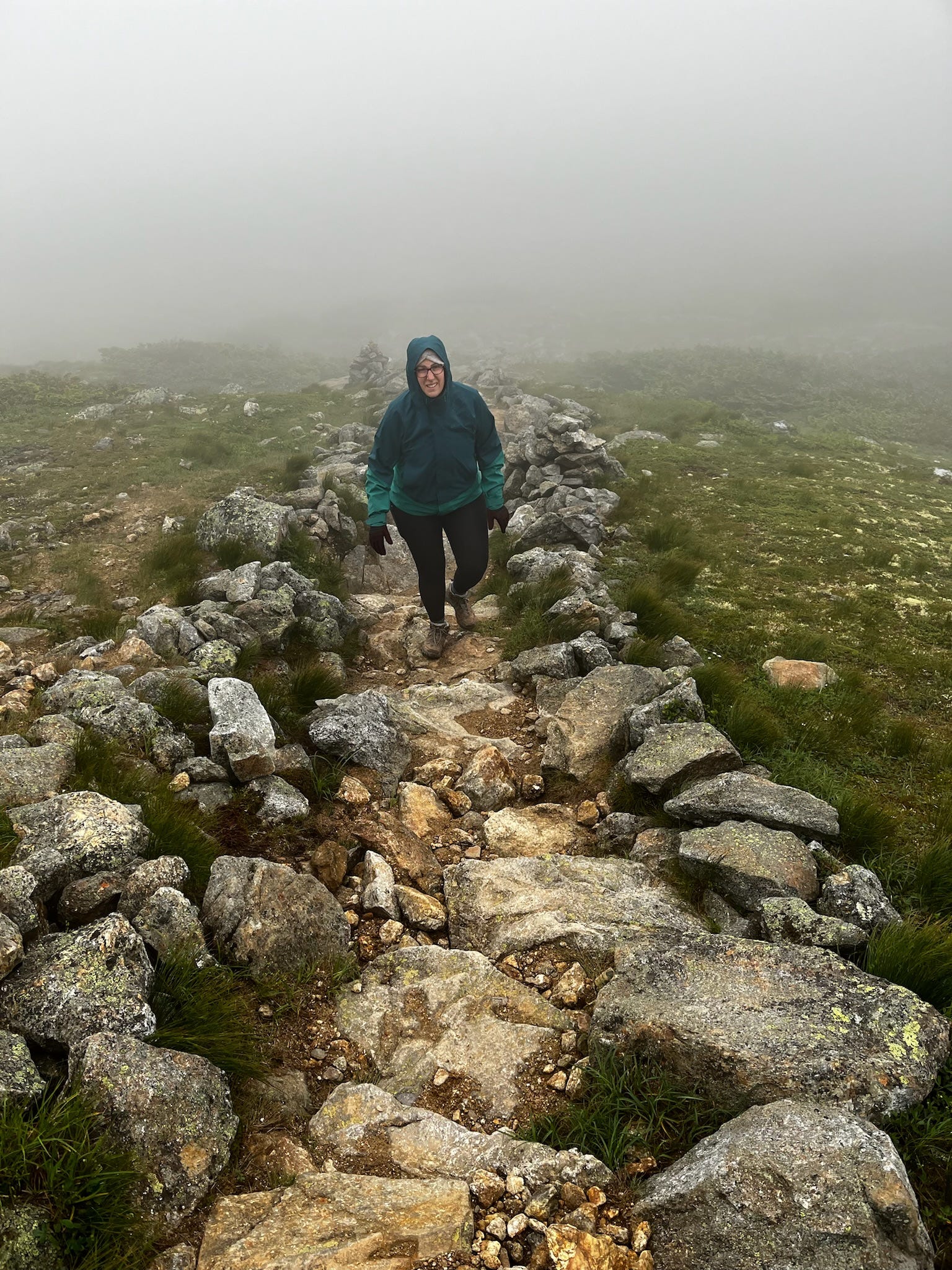
I underestimated how much food and water I would need. I spent many hikes feeling shaky, exhausted and so thirsty... and wondering why the hike felt terrible.
What I learned: I’ve learned to eat before I’m hungry, drink before I’m thirsty and use electrolytes when I need them (even in winter). And don’t get me started on bringing snacks no one else wanted to eat. You won’t want them either when you’re tired and cranky. Bring food you’re excited to have! I bring candy I don’t normally eat on hikes – the sugar helps keep me going and the rare treat keeps it fun. Protein + carbs + electrolytes keep me going on any hike.
Takeaway: Being under-fueled doesn’t make you tougher, it mostly makes you miserable and hiking way less fun.
I assumed I would have cell service. I figured I had my phone, so I would pull up the map, if needed. Lots of places that are amazing to hike, aren’t near a cell tower, so your phone is basically a camera.
What I learned: Use an app like AllTrails or Gaia to find your trail and use the offline/downloaded map feature. You can see yourself in real time that way and know if you’re off trail. If you’re not ready for that, look things up and screenshot at the very least before you go. Familiarize yourself with parking and the route before you head out.
Takeaway: Your phone is useful, but cell service is not a foolproof plan.
I checked the weather at the trailhead instead of the peak. The weather where you park can be very different from where you’re headed. If you are hiking in the mountains, you have to take this into consideration before you head out.
What I learned: The Mountain Forecast app will give you the weather at the summit. Wind, rain and temps can be quite different up high or above treeline. This information helps you to be sure you have the right gear to get you up and back safely. A warm parking lot can become a windy, cold summit pretty quickly.
Takeaway: I don’t try to predict things. I try to give myself enough information to make a good decision.
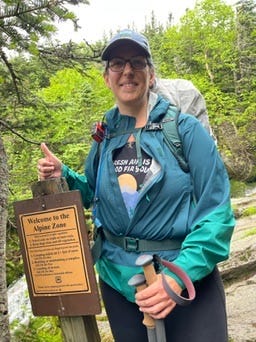
Entering the Alpine Zone
These were practical mistakes I made when I started... The next two took me a bit by surprise and took me a while to figure out, because they weren’t about hiking gear or trail planning – they were about mindset.
I thought I was supposed to keep up. Hiking with faster people can leave you feeling behind, but the truth is your pace is your own. Every time someone had to stop and wait, I felt like I was bad at hiking.
What I learned: People hike at all different speeds. I found my sustainable pace and it’s different on every trail. I take lots of breaks and let those faster people pass me by. This is why the phrase “Hike your own hike” is popular – because it’s true!
Takeaway: Slow hiking isn’t beginner hiking. It’s just hiking slowly.
I thought changing the plan meant I had failed. I was somehow under the impression that completing whatever route I had planned meant it was a successful hike. You might change plans for weather, you’re tired, someone in the group is over it, something feels off, you ran into a bear (been there) or even if you decide today just isn’t the day for no reason. I recently had to turn back and miss the summit of Mt Waumbek. Most of the group was over it and wanted to turn back after the first summit of Mt Starr King. We all do it.
What I learned: Changing plans is often good judgment. It doesn’t mean you aren’t a good hiker, it often means you’re becoming a more experienced hiker!
Takeaway: The hiking plan is information. It isn’t a contract. You don’t have to finish a hike for the hike to count.
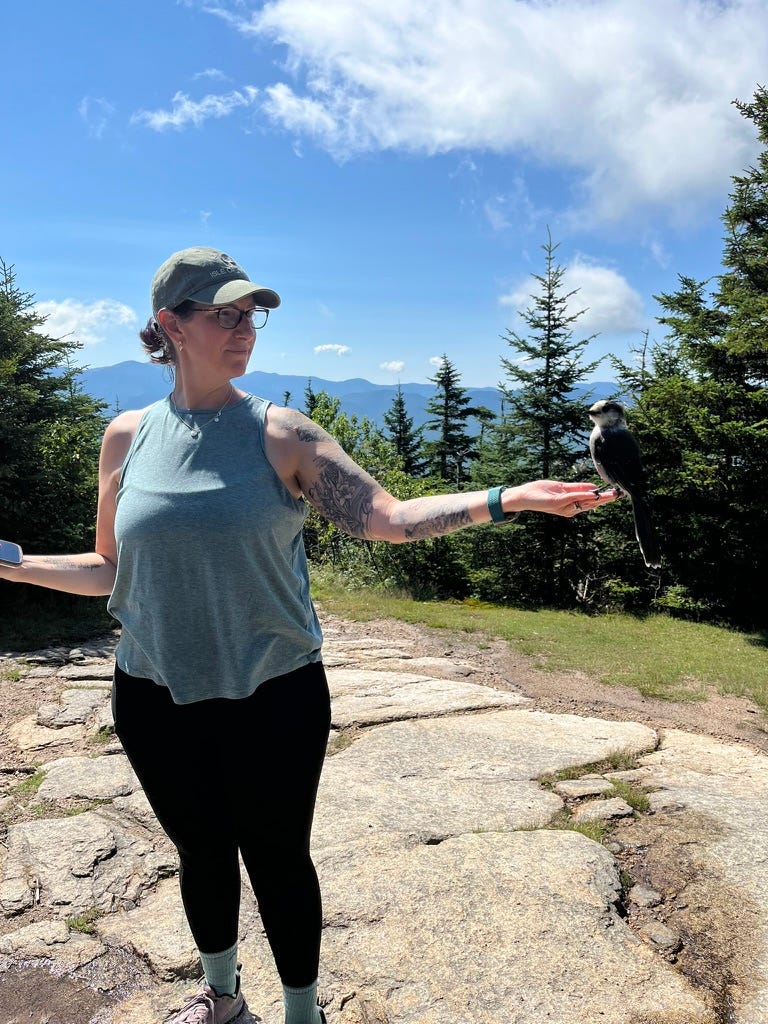
Most of my mistakes came from the belief that there is a “right” way to be a hiker. That I should be faster, hike farther, carry the right gear, always finish what I started and have that Instagram-worthy summit photo. But truthfully, the more I hike, the more I have learned what I enjoy and what works for me.
And I see that as the transition from a beginner to an experienced hiker.
Not becoming fearless (I’m still all set seeing a bear) or becoming super fit (midlife mom over here).
I’m becoming better at making decisions.
I’m learning to trust myself.
Hiking became a lot more fun when I stopped trying to fit it into the box I thought it belonged in and started building a hiking life I actually wanted to keep coming back to.
What did you learn the hard way when you started hiking?
The food and water one is so real! I've been hiking for some years now and still make this mistake.
"Oh, there will be some way to refill the water there" - no, just because I'm used to being able to do that in the city doesn't mean there will be a fountain in the middle of the mountain (though sometimes there is).
"Oh, there is a hut halfway, we can eat there" - closed. This one was my husband's idea, and luckily for him, he brought some snacks at least. Still, I was cranky.
It also took me a while to accept that not every hike needs to be "more" than the previous. Sometimes I want an easy one on the edge of the city, sometimes I want to see the waterfall, and sometimes I want no sign of civilization for an hour.
The key, I think, is reaching for a mood, not for some invisible achievements.